

Type 2 diabetes medications can produce weight loss ranging from 1 to 3 kg with Metformin to over 20 percent body weight reduction with newer dual incretin agents. Around 80 to 90 percent of Type 2 diabetic patients carry excess weight, making drug class selection critical for long-term outcomes.
According to Dr. Ayush Chandra, an experienced diabetologist in Ghaziabad, “The right medication choice in a diabetic patient with obesity treats two diseases at once, and patients who start on weight-loss-favourable agents early often avoid years of insulin dependence and cardiovascular complications later.”
Which Diabetes Drug Classes Cause Weight Loss?
Not every diabetes medication acts the same way on body weight. The mechanism decides the direction.
- Weight loss agents: GLP-1 receptor agonists, dual GIP/GLP-1 agonists, SGLT2 inhibitors
- Mild weight loss or neutral: Metformin, DPP-4 inhibitors, alpha-glucosidase inhibitors
- Weight gain agents: Sulfonylureas, insulin, thiazolidinediones, meglitinides
Drug class | Average weight effect | HbA1c reduction |
GLP-1 agonists | Loss of 5 to 15 percent body weight | 1.0 to 1.8 percent |
Dual GIP/GLP-1 (Tirzepatide) | Loss of up to 22 percent body weight | 2.0 to 2.4 percent |
SGLT2 inhibitors | Loss of 2 to 3 kg | 0.7 to 1.0 percent |
Metformin | Loss of 1 to 3 kg | 1.0 to 1.5 percent |
Sulfonylureas | Gain of 2 to 5 kg | 1.0 to 2.0 percent |
Insulin | Gain of 3 to 6 kg | Variable |
The American Diabetes Association’s 2024 Standards of Care recommend prioritising weight-loss-favourable agents in patients with comorbid obesity or established cardiovascular disease. See Obesity Treatment in Ghaziabad for integrated weight and metabolic care.
Want to know which diabetes medication suits your weight goals? Book a consultation with Dr. Ayush Chandra today
How Do GLP-1 Agonists and Tirzepatide Work for Weight Loss?
GLP-1 receptor agonists mimic the natural incretin hormone with a longer half-life. They trigger glucose-dependent insulin secretion, suppress glucagon, slow gastric emptying, and act on hypothalamic appetite centres to reduce food intake.
- Semaglutide : STEP trials showed mean weight reduction of 14.9 percent at 68 weeks
- Liraglutide (Victoza 1.8 mg, Saxenda 3.0 mg): Weight reduction of 5 to 8 percent
- Tirzepatide (Mounjaro): Dual GIP/GLP-1 agonist, SURMOUNT trials reported up to 22.5 percent weight reduction at 72 weeks
- Dulaglutide (Trulicity): Modest weight loss of 2 to 4 kg with weekly dosing
What Role Do SGLT2 Inhibitors and Metformin Play?
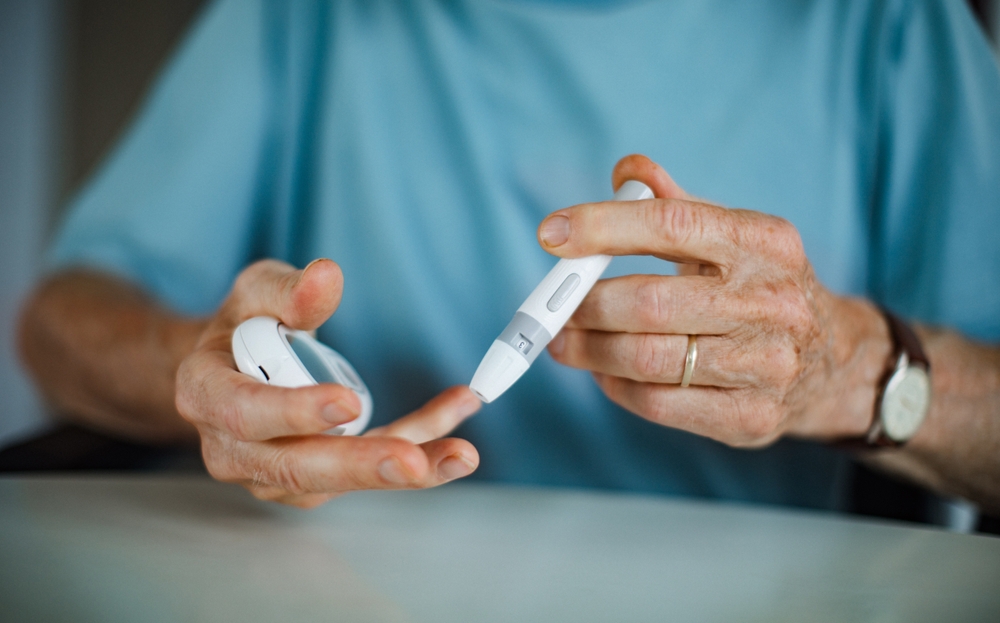
SGLT2 inhibitors and Metformin sit in different tiers of weight efficacy but both belong in the obese diabetic patient’s regimen.
- SGLT2 inhibitors (Dapagliflozin, Empagliflozin, Canagliflozin): Excrete 60 to 80 g glucose per day in urine, equal to 240 to 320 calories daily, producing 2 to 3 kg loss
- Cardiorenal benefits: Proven heart failure and CKD protection in EMPA-REG, DAPA-HF, and CREDENCE trials
- Side effects: Genital mycotic infections, rare euglycemic DKA
- Metformin: First-line therapy per ADA and RSSDI, mild 1 to 3 kg loss through reduced hepatic gluconeogenesis and gut microbiome changes
- Tolerability: Extended-release formulations reduce GI side effects
Patients often ask if they can lose weight on Metformin alone. The honest answer is rarely enough. Most need a second agent. See Diabetes Treatment in Ghaziabad for personalised regimen planning.
Who Qualifies for Weight Loss Diabetes Medications?
Not every diabetic patient needs aggressive weight-loss pharmacotherapy. Selection follows clinical thresholds.
- BMI 27 with comorbidity or BMI 30 and above: Candidates for weight-loss-favourable agents
- Established cardiovascular disease: GLP-1 agonists or SGLT2 inhibitors with proven CV benefit
- Heart failure or chronic kidney disease: SGLT2 inhibitors first
- Severe obesity with T2D (BMI 35 plus): Tirzepatide or high-dose Semaglutide
Common combinations include Metformin plus GLP-1 agonist, or Metformin plus SGLT2 inhibitor. Triple therapy with all three is reserved for refractory cases. Monitoring follows a structured timeline:
Timeline | What’s checked |
Week 2 to 4 | Tolerance, GI side effects, dose titration |
Month 3 | HbA1c, weight, renal function |
Month 6 | Lipid profile, full metabolic panel, dose review |
Annual | Cardiovascular risk reassessment, ophthalmology, foot exam |
Stacking sulfonylureas or insulin with weight-loss agents is avoided unless clinically necessary, since the weight gain often cancels the loss. For those needing structured weight management alongside medication, Weight Loss Treatment in Ghaziabad at Nivaran Health offers supervised programmes.
If you have diabetes, regular foot checks are essential to catch infections early. Schedule a consultation with Dr. Ayush Chandra for diabetic foot care.