

GLP-1 (glucagon-like peptide-1) receptor agonists have shifted the clinical approach to weight management significantly. Originally developed for Type 2 diabetes, these peptide-based medications reduce appetite, slow gastric emptying, and directly influence the brain’s hunger signalling pathways, making them a medically distinct tool for sustained weight loss.
According to Dr. Ayush Chandra, a highly experienced SCOPE-certified obesity specialist in Ghaziabad, “GLP-1 receptor agonists work best as part of a supervised plan that includes dietary modification and regular monitoring, rather than as a standalone solution prescribed without proper context.”
How GLP-1 Peptides Support Weight Loss
GLP-1 is a hormone that the gut naturally releases after eating. Medications in this class mimic that hormone but in a sustained, amplified way that the body can’t produce on its own. That distinction matters clinically.
- Appetite suppression at the brain level: GLP-1 receptor agonists act on the hypothalamus, the part of the brain that regulates hunger. Patients feel genuinely full on smaller amounts of food rather than trying to eat less through willpower alone. That’s a fundamentally different mechanism from older appetite suppressants.
- Slower gastric emptying: These medications slow the rate at which food moves from the stomach to the small intestine. This slows glucose absorption, reduces post-meal blood sugar spikes, and extends the feeling of fullness well beyond the meal itself, which naturally reduces snacking and overeating.
- Lower food cravings: Clinical data shows GLP-1 medications reduce reward-driven eating, the kind triggered by cravings rather than actual hunger. For patients who struggle with habitual or emotional eating patterns, this effect alone can be a turning point.
- Improved insulin sensitivity: By regulating glucose more effectively, GLP-1 agonists reduce the hyperinsulinaemia that drives fat storage in insulin-resistant patients. Less circulating insulin means the body becomes more willing to access stored fat as fuel rather than continuing to store it.
These combined effects make GLP-1 medications mechanistically different from anything that came before them. Explore weight loss treatment options or read about lifestyle modification approaches to understand how these tools work within a broader clinical plan.
Types of GLP-1 Medications Used for Weight Loss
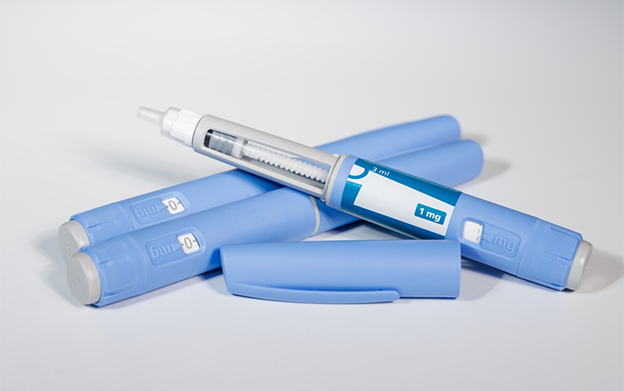
Several GLP-1 receptor agonists are available, and they differ in dosing frequency, approved indications, and clinical profile. Not every medication suits every patient, and availability in India varies.
| Medication | Brand Name | Dosing | Primary Use |
| Semaglutide | Ozempic / Wegovy | Weekly injection | T2 Diabetes / Weight Loss |
| Liraglutide | Saxenda / Victoza | Daily injection | Weight Loss / T2 Diabetes |
| Dulaglutide | Trulicity | Weekly injection | T2 Diabetes |
| Tirzepatide | Mounjaro | Weekly injection | T2 Diabetes / Weight Loss |
Semaglutide at higher doses (brand name Wegovy) is the most widely studied for weight loss specifically. Clinical trials have shown average body weight reductions of 12 to 15 percent over 68 weeks. Tirzepatide, a dual GIP and GLP-1 receptor agonist, has shown even higher average reductions in more recent trial data and is increasingly being discussed in obesity management.
But availability, cost, existing medications, and patient-specific health factors all determine which option a diabetologist will actually recommend. This isn’t a decision to make based on social media trends or what worked for someone else. Discuss obesity treatment options with a qualified specialist before starting any GLP-1 therapy.
Nivaran Health offers personalised obesity and metabolic health assessments to help determine the most appropriate treatment plan.
What Results Can You Expect From GLP-1 Weight Loss Treatment?
Results depend on the specific medication used, the dose, how long treatment continues, and how consistently the patient follows dietary and lifestyle recommendations alongside it.
- First 4 to 8 weeks: Most patients notice reduced appetite fairly quickly, often alongside some nausea as the body adjusts to the medication. Weight loss during this phase is modest, typically 1 to 2 kg. Don’t judge the treatment by early results.
- 3 to 6 months: This is where meaningful progress becomes visible. Average weight reductions of 5 to 8 percent of body weight are typical at this stage, with consistent adherence to both the medication and the dietary plan.
- 6 to 12 months: Peak results in most clinical trials occur within this window. Patients on semaglutide or tirzepatide under supervised care regularly achieve 10 to 20 percent total body weight reductions, which translates to dramatic improvements in blood sugar, blood pressure, and joint load.
- Beyond 12 months: Weight is largely maintained while the medication continues. Stopping GLP-1 therapy without transitioning to established lifestyle habits typically results in weight regain, which is why the surrounding programme matters as much as the drug itself.
So these aren’t quick fixes. They’re slow, consistent movers that work over months and produce results that compound. And they work considerably better when clinical follow-up keeps the overall plan calibrated.
GLP-1 Peptides as Part of a Comprehensive Weight Loss Plan
GLP-1 medications are tools, not complete answers. The patients who see the best long-term outcomes are those who use them within a structured plan that addresses nutrition, activity levels, glucose monitoring, and regular clinical review together.
At Nivaran Health, GLP-1 therapy is never prescribed in isolation. Dr. Ayush Chandra evaluates each patient’s glucose profile, existing medications, cardiovascular risk, and weight history before recommending any pharmacological weight loss intervention. For diabetic patients specifically, GLP-1 medications carry the dual advantage of blood sugar control alongside weight reduction, which makes them particularly relevant in a diabetes-focused practice.
Ready to explore GLP-1 therapy under expert supervision? Reach out to Nivaran Health today and take the first step toward medically guided, sustainable weight loss.
FAQ'S
Are GLP-1 medications safe for long-term use?
Current clinical data supports multi-year safety under medical supervision for most suitable patients.
Can GLP-1 medications be used without a diabetes diagnosis?
Yes, higher-dose formulations like Wegovy are approved specifically for obesity management in non-diabetic patients.
What are the most common side effects of GLP-1 weight loss medications?
Nausea, mild vomiting, and reduced appetite are most common, typically settling within four to six weeks.
Will I regain weight after stopping GLP-1 treatment?
Most patients regain weight after stopping unless consistent dietary and lifestyle habits are in place first.