

Bone infections in the toe is also called osteomyelitis. It is a serious complication needing quick, specialised care. People with diabetes are at even higher risk, mostly because of reduced blood flow and a weakened immune system. That makes early detection and treatment all the more important, especially if you want to avoid severe outcomes like amputation.
At Nivaran Health in Ghaziabad, Dr. Ayush Chandra brings over 16 years of healthcare experience to the table. His expertise covers diabetes care, diabetic foot complications, and wound management. In this blog we will learn what bone infections in the toe are, how they start, and what symptoms to watch for. We’ll touch on available treatments, when things get critical, and why diabetics face special risks.
What It Is
Bone infection in the toe, or osteomyelitis, happens when bacteria make their way into the bone tissue and set up shop. For people with diabetes, it usually starts as a complication from foot ulcers—chronic wounds that give bacteria a path straight to the bone.
We see this risk go up for diabetics for a few interconnected reasons. Poor blood circulation, weaker immune defenses, and peripheral neuropathy all play a role. The reduced sensation means some people don’t notice small injuries until they’re already a big problem.
Risk Factors Include:
● Uncontrolled blood glucose levels
● Thyroid disorders affecting metabolism and healing
● Peripheral neuropathy reducing
● Previous foot ulcers or injuries
● Hormonal imbalance affecting immune response
Gestational diabetes can also raise long-term risk, especially if not managed well—it might even progress to Type 2 diabetes. When diabetes isn’t under control, the body’s ability to fight infection drops off sharply.
The infection usually starts on the surface but can move quickly into deeper tissues and bone. Early detection is key, since once the infection reaches the bone, treatment gets much tougher. Symptoms might include redness, swelling, warmth, or discharge, but sometimes, because of nerve damage, there’s hardly any pain at all.
Common Entry Points:
● Chronic foot ulcers
● Puncture wounds
● Surgical sites
● Cracked or damaged skin
Understanding all this really underlines the need for preventive foot care and regular checkups if you live with diabetes. You can’t overstate it.
If you’re diabetic, it’s crucial to take preventive foot care seriously. Book an appointment with Dr. Ayush Chandra for a thorough foot exam today.
What happens if a toe Infection Spreads To the Bone?
If a toe infection gets into the bone, it turns into osteomyelitis—and that’s not something to ignore. The infection often spreads through breaks in the skin, open wounds, or those stubborn ulcers that let bacteria dig deeper.
Most often, it’s Staphylococcus aureus doing the damage. These bacteria can enter through the bloodstream or move directly from infected soft tissue right into the bone.
Common symptoms we see include:
- Persistent pain in the affected toe
- Swelling and warmth around the infection site
- Redness spreading past the initial wound
- Fever and general tiredness
- Pus or discharge from the wound
People with diabetes are especially at risk here. Poor circulation and nerve damage make it hard to spot early warning signs. Foot ulcers that just won’t heal become easy entry points for bacteria.
Treatment usually involves:
- Surgical removal of infected bone tissue
- Strong intravenous antibiotics
- Wound care management
- Treatment of underlying conditions
If you don’t get treatment quickly, the infection can cause permanent bone damage or even bone death (osteonecrosis). When blood flow to the bone is blocked, healing pretty much stops, and the infection lingers.
In the worst cases, the infection can move to nearby joints, causing septic arthritis. The most serious risk? Amputation, if things can’t be brought under control.
We can’t stress enough how important early action is. If you notice a toe infection that’s getting worse or not improving after a few days, don’t wait—get it checked out right away.
Can Bone Infection In Toe Be Cured?
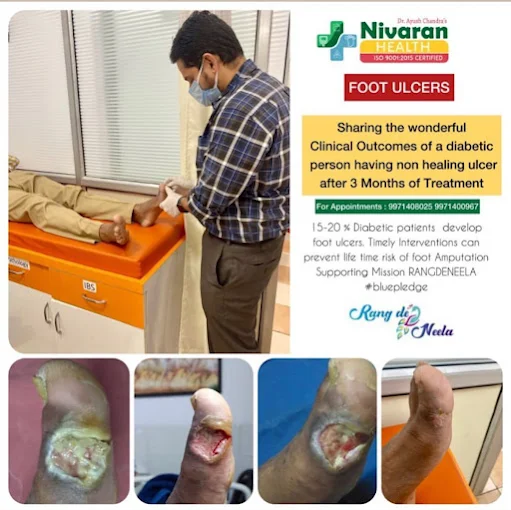
Bone infection in the toe—osteomyelitis—can be cured, but only if you get the right treatment quickly. Success depends on catching it early, how far the infection has spread, and your overall health.
Treatment Approaches:
- Antibiotic therapy – Strong intravenous or oral antibiotics for several weeks
- Surgical intervention – Removal of infected bone tissue if needed
- Wound care management – Regular cleaning and dressing for any ulcers
- Blood glucose control – Getting insulin therapy and diabetes treatment on track
We work closely with podiatry specialists to assess how severe the infection is. A podiatrist can figure out if the infection has reached the bone, using clinical exams and imaging studies.
For diabetic patients, keeping blood sugar in check is essential for recovery. Uncontrolled diabetes makes it harder for your body to fight infection and slows healing. We also pay attention to obesity management, since extra weight complicates both diabetes and wound healing.
Getting help early really boosts your chances. If the infection is limited, partial removal of bone might be enough. But if you wait too long, more of the bone could be involved—sometimes even leading to amputation.
If you’re experiencing symptoms of a bone infection, don’t delay. Early treatment is crucial to preventing long-term damage. Contact Dr. Ayush Chandra at Nivaran Health for a prompt consultation.
Causes Of Bone Infection In Toe
Bone infection in the toe—osteomyelitis—shows up when bacteria, fungi, or viruses get into the bone. In my practice, bacteria are by far the most common cause, though sometimes fungi can break through too, depending on the situation.
Diabetic foot ulcers are one of the main ways infection gets in. When these wounds don’t heal, bacteria can move from the skin through the soft tissue and eventually into the bone. We see this a lot in patients whose blood sugar isn’t well controlled.
Here are some factors that bump up the risk for diabetics:
- Peripheral neuropathy (less sensation in the feet)
- Poor blood circulation, which limits healing
- Weakened immune response due to diabetes
- Delayed wound healing
- Existing foot deformities, which create pressure points
Diabetic foot complications often start with minor injuries or cuts that just go unnoticed. Without proper sensation, patients might not even realise they’ve hurt their toe until infection is already there. The warm, moist environment inside most shoes helps bacteria to survive.
Direct trauma, like puncture wounds or significant injuries, can bring infection right into the bone. Surgery on the toe (or nearby areas) sometimes leads to infection if bacteria get in during the procedure. Pre-existing soft tissue infections, like cellulitis, can also dig deeper into the bone if they’re ignored.
Anyone with a weakened immune system is at higher risk. It’s worth repeating: any open wound on a diabetic foot deserves immediate attention to keep things from progressing to osteomyelitis.
If you have diabetes, regular foot checks are essential to catch infections early. Schedule a consultation with Dr. Ayush Chandra for diabetic foot care.
Common Symptoms Of Bone Infection In Toe
A bone infection in the toe—osteomyelitis—comes with warning signs that shouldn’t be ignored. The trouble is, a lot of people miss these early symptoms, and that can lead to bigger problems down the line.
Primary Physical Symptoms
Most obviously, you’ll see redness and warmth around the affected toe. Pain and tenderness are usually constant and can get worse. Swelling around the bone is another red flag we look for.
Systemic Symptoms
Beyond the local signs, patients often report:
- Fever
- Fatigue
- Nausea
- Irritability
- Less range of motion in the toe
The Diabetes Connection
Diabetic patients have a tough time spotting bone infections. Poor blood sugar control can dull sensation in the feet, making it easy to miss pain or discomfort until it’s too late. That lost sensitivity lets infections progress quietly.
Why Early Detection Matters
Some people with osteomyelitis don’t show any symptoms at first, which makes things dangerous. The infection can get worse and spread before anyone realises. Keeping blood sugar under control helps maintain nerve function and sensation, so you notice problems sooner.
Discharge and Drainage
If you see pus or fluid coming from the toe, that’s a sign the infection has advanced. This usually shows up alongside other symptoms and means it’s time to get medical help, fast.
Anyone with diabetes and unstable blood sugar should check their feet every day for these signs. Catching things early means better treatment and less risk of serious complications—like tissue damage or amputation.
If you have diabetes, managing your blood glucose levels is a critical part of the treatment plan. Contact Dr. Ayush Chandra for specialized diabetic care and treatment strategies.
What Are The Treatments For Bone Infection In Toe
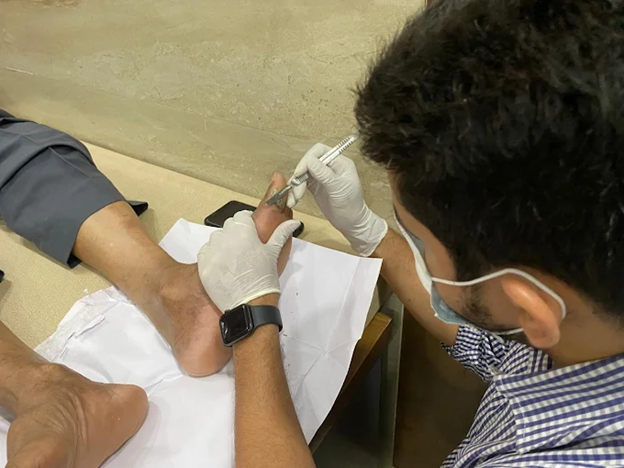
Treating bone infection in the toe takes a thorough approach—medical intervention plus diabetes management. We usually start with targeted antibiotics, chosen based on culture results, to knock out the main culprits (often Staphylococcus aureus in adults).
Conservative Treatment Approaches:
- Intravenous or oral antibiotics for at least 4-6 weeks
- Wound care and removal of infected tissue
- Offloading devices to take pressure off the area
- Hyperbaric oxygen therapy as an extra option
If conservative steps don’t work, or if the infection is severe, surgery comes into play. That might mean bone debridement or even partial toe amputation, depending on how bad things are. The main goal is always to save as much function as possible while clearing the infection.
For diabetic patients, solid diabetes management is the backbone of treatment. We push for strict blood glucose control, since high sugar levels weaken the immune system and slow healing. Our diabetic foot care routines include daily foot checks and proper wound care.
Lifestyle modification is also key for recovery and preventing recurrence. We encourage meditation and stress reduction—stress can spike blood sugar, after all.
Holistic wellness is part of our approach too. With guidance from our certified yoga trainer, gentle yoga can improve circulation in the feet and support diabetes care, all without putting strain on the infected toe.
Our diabetic foot specialist Dr Ayush Chandra ,works with you to create custom prevention strategies. That means picking the right footwear, regular foot exams, and treating small injuries before they become big problems. The sooner you act, the better the outcome—and the less likely you’ll need aggressive surgery.
When To Contact Doctor
If you spot any signs of bone infection in your toe, it’s best to reach out to the doctor right away. Early intervention from a skilled diabetes doctor can make all the difference and help you avoid some pretty serious complications down the line.
Seek urgent medical attention if you experience:
- Persistent pain, redness, or swelling in your toe that just keeps getting worse
- Fever, especially if the area around your toe feels unusually warm
- Pus or any strange discharge coming from a wound on your toe
- Difficulty putting weight on your foot, or if touching the area feels intensely tender
- A foul odour coming from the affected toe—never a good sign
- Visible bone or deep tissue showing through an open wound
If you have diabetes and notice a foot wound that refuses to heal after a few days, it’s a good idea to book a consultation with Dr. Ayush Chandra in Ghaziabad. His background as a senior consulting diabetologist, plus a fellowship in diabetes management, means he’s particularly well-equipped to handle diabetic foot issues.
Contact our team at Nivaran Health in NCR if you observe:
- Numbness or tingling sensations in your feet
- Darkening or discoloration of the skin around your toes
- Blood sugar levels that stay high and just won’t come down
- Any new or worsening symptoms in your feet
Conclusion
Bone infections in the toe are a serious complication of diabetes. They really do require immediate medical attention—there’s just no way around it.
At Nivaran Health, we get how complex diabetic foot problems can be. Our team provides comprehensive care for patients here in Ghaziabad.
Our approach includes:
- Early diagnosis using advanced assessment tools
- Comprehensive wound care management
- Evidence-based treatment protocols
- Patient education and preventive strategies
We recognise that early intervention can often prevent severe outcomes like amputation. With regular foot exams and proper diabetes management, many complications can be avoided—sometimes entirely.
Our clinic is equipped with modern diagnostic tools like monofilaments, TIP THERM, and VIBRATIP for neuropathy assessment. These instruments help us catch problems before they get out of hand or progress to serious infections.
Immediate consultation is essential if you notice symptoms such as redness, swelling, discharge, or fever with a foot wound. Honestly, delays in treatment can let the infection spread deeper, even into the bone.
We always encourage patients to keep up with regular follow-ups and practise diligent foot care at home. Good blood sugar control remains fundamental—it’s the backbone of preventing and managing bone infections in diabetic patients.
If you suspect a bone infection or have concerns about diabetic foot complications, reach out to Nivaran Health and schedule an appointment with Dr Ayush Chandra. It’s better to be cautious than regret waiting.
FAQ'S
1.How can I prevent bone infections in my toe?
Maintain good blood sugar control, inspect your feet daily, and seek prompt care for foot wounds.
2. Can the infection spread to other body parts?
Yes, if untreated, the infection can spread to joints or the bloodstream.
3. What diagnostic tests are used for bone infections in the toe?
Tests may include X-rays, MRIs, and lab tests to detect infection and assess severity.
4. How long does it take to recover?
Recovery depends on the severity, but it typically takes a few weeks with proper treatment.
